Say Hello to a guide without an inbox
This page says how to reach Summit Home Group, what to have ready, and which pages answer most roof questions before a sale.
No form, no address, and no reply promised
We write this as a guide, and the site has no contact form, no inbox and no published email address or telephone number. There is no address on it to write to, so we will not suggest one. We also do not promise a reply, a response time, or that every message is read. What the site does offer is a set of pages built around the questions people bring to a sale: the decision helper on the resources page, the quick questions on the community FAQ, and the history page on where a roof's record lives.
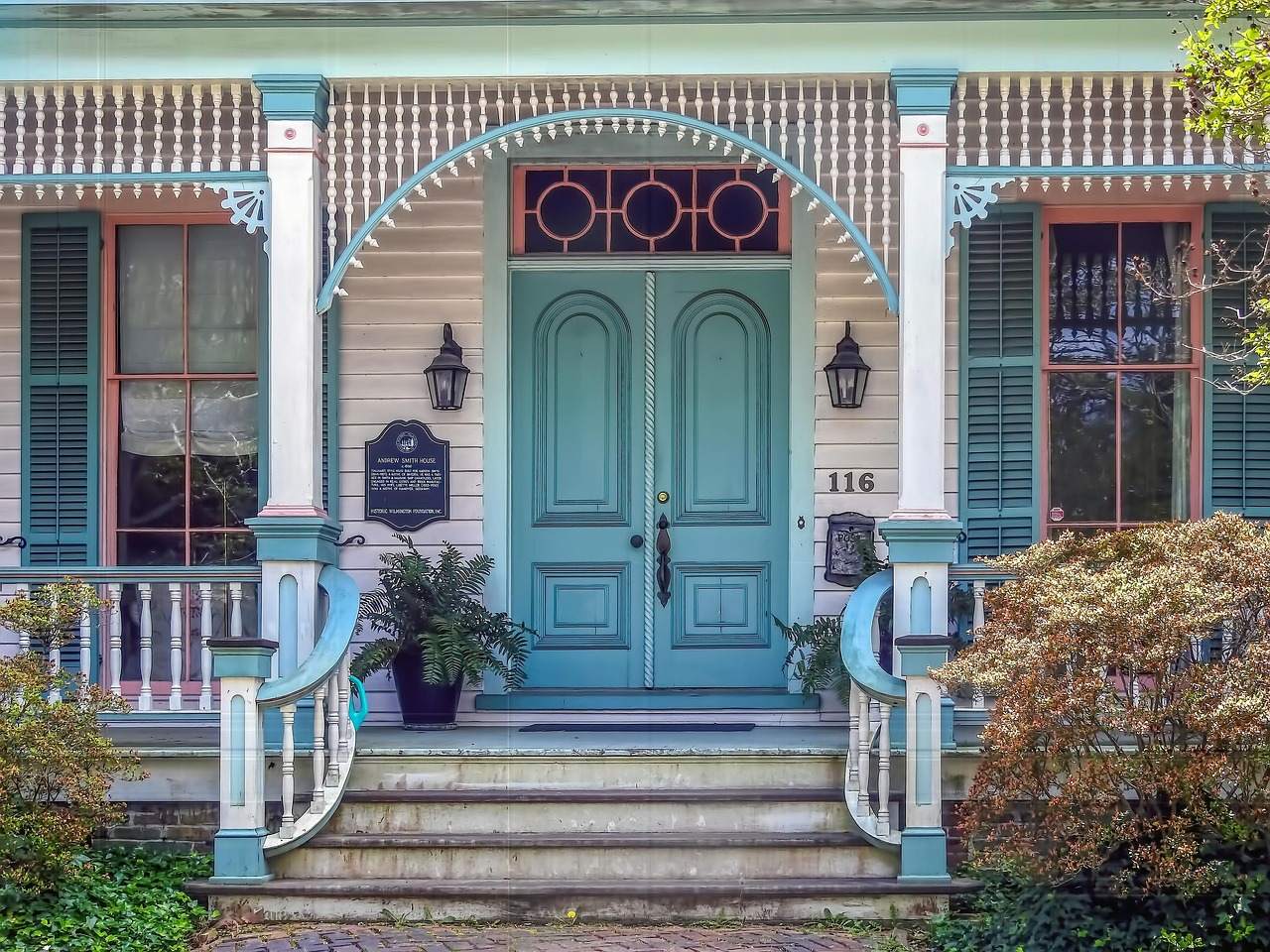
Older houses raise a different question
A house that has changed hands several times may have a roof whose paperwork has gaps: an old repair invoice, a warranty that was never handed over, or a permit nobody kept. Before anything else, ask what documents exist at all. The history page sets out where that record usually lives and how to read a gap in it, so the answer is in hand before the inspection report is opened.
Have these to hand before you start
Know which side of the sale you are on and the address of the house. Note the roof's age if the listing or the seller gives it, and the shingle type if anyone has named one. Gather any paperwork you can find: past repair invoices, warranty documents, and the roof section of a seller's disclosure form if there is one.
Write down what can be seen from the ground and from the attic, without going on the roof: staining on a ceiling, granules collecting in gutters, curled or missing shingles, and ice that has formed at the eave in winter. These are the observations the decision helper asks for, and they make any conversation with a local trade shorter and more useful.
What this guide cannot do for you
This guide cannot look at your roof, price a job, judge whether a particular firm is good, or give legal advice on a contract. A written roof inspection by a qualified person is the step that settles the condition of a roof. The building department in the town where the house sits holds the permit rules that apply to it. Use this site to decide what to ask and what to do next, and use local people for the answer on the roof itself.

Water at the edge is a question, not an answer
Water running off a roof edge happens in any rain, so one wet gutter decides nothing by itself. What matters is whether the water is getting somewhere it should not, such as a stain on a ceiling below, or a gutter that stays wet long after the storm has passed. Note those signs before you reach the decision helper, since it asks about them directly.
Stages you can work through on your own
Each stage below is something a reader can do without speaking to anyone at this site. The last column says where this guide stops.
| Stage | What you do | Where | What it leaves out |
|---|---|---|---|
| Decide whether the roof matters for this sale | Answer the helper's questions from what you already know | Resources page | No price and no verdict on any specific roof |
| Gather the roof's paperwork | Collect repair invoices, warranties and any disclosure form | History page | It cannot find records you do not hold |
| Prepare the questions to put to a provider | Work through the common questions and warning signs | Community FAQ page | It does not rate or name any provider |
| Confirm the permit rules for the work | Ask the building department in the town where the house sits | That town's building department | It holds no permit rules for any town |
| Arrange a written roof inspection | Book a qualified person to inspect the roof before any repair or sale is agreed | A qualified inspector of your choice | It is not an inspection and gives no result |